
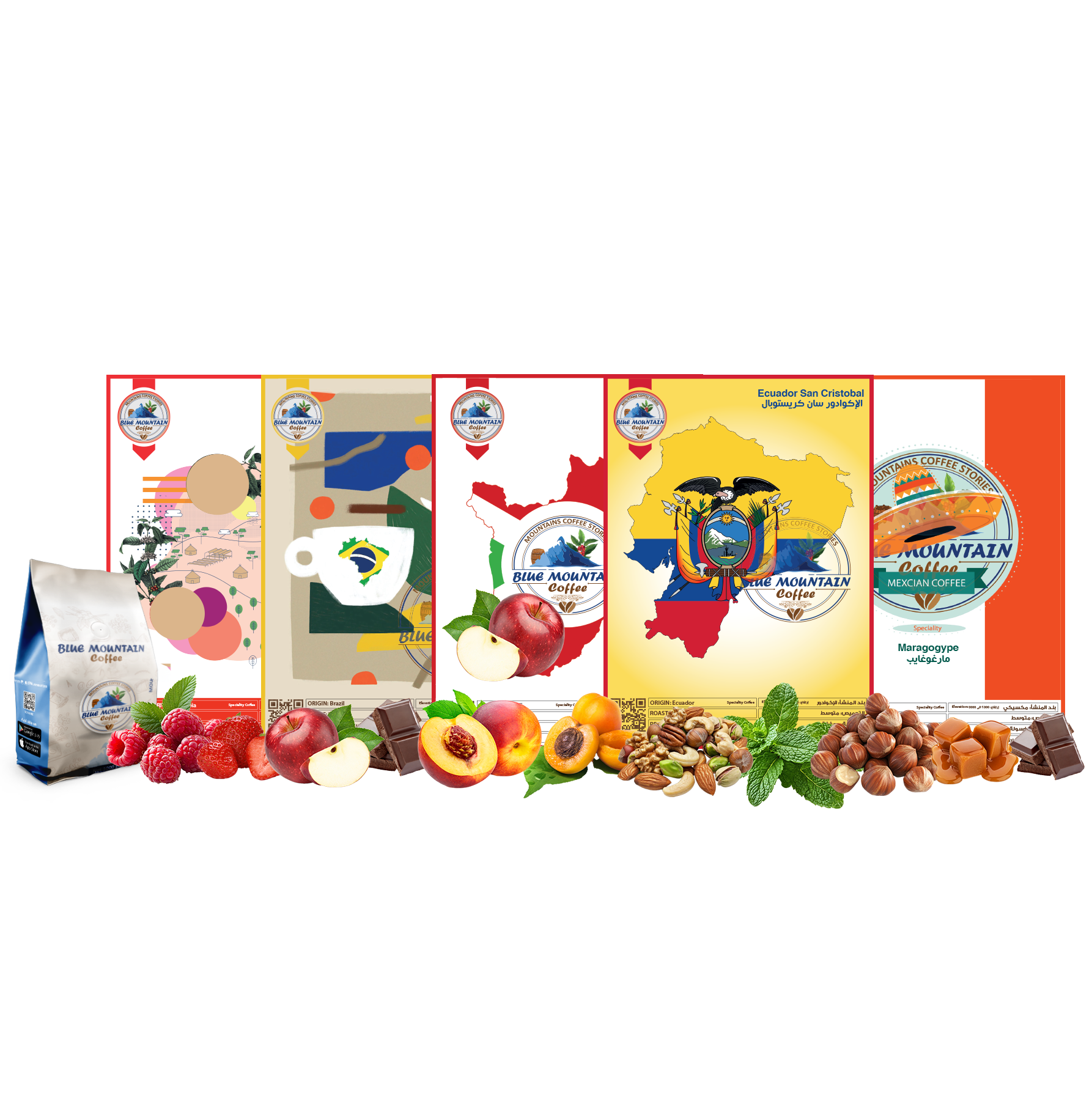
Roasted Coffee Ecuador San Cristobal
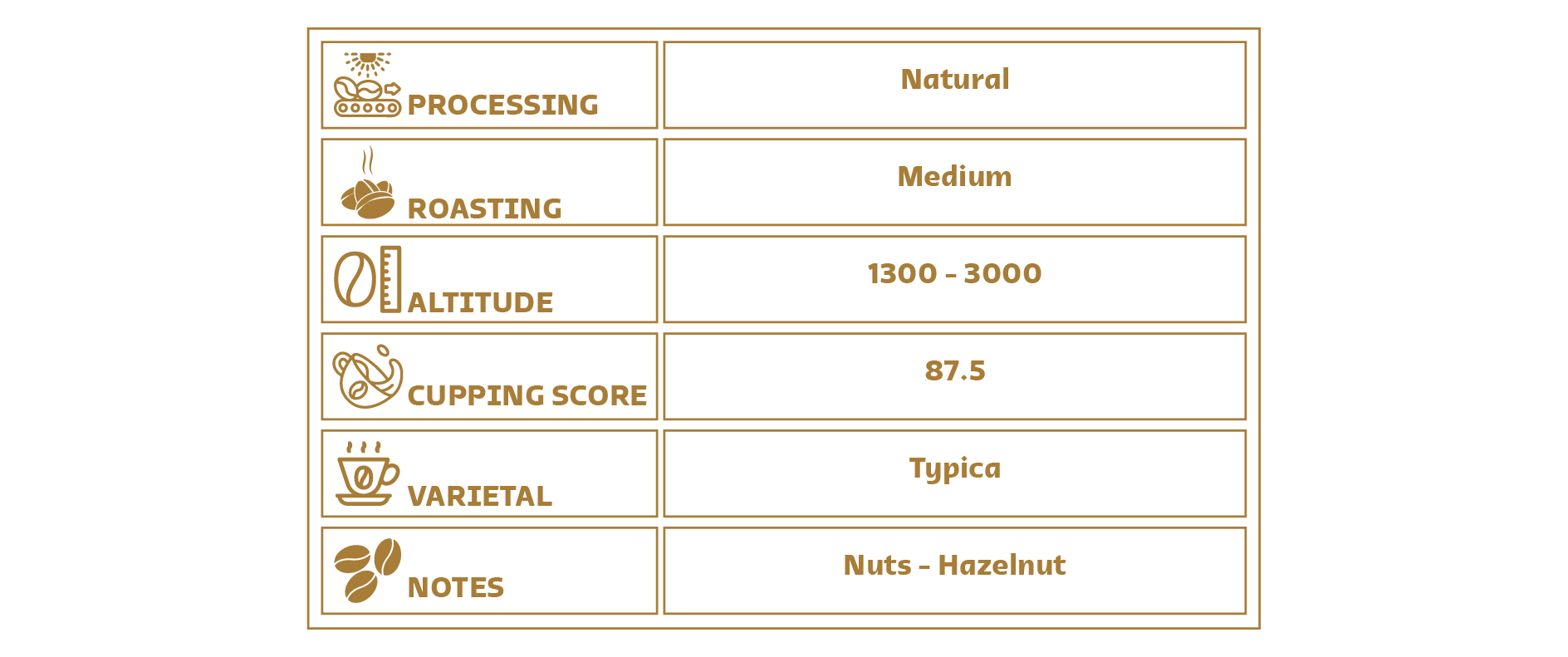
Coffee production in Ecuador is one of only 15 countries in the world that grows and exports both Arabica and Robusta coffee, the two main species of coffee produced and consumed in the world. Different ecosystems in Ecuador permit different coffee cultures to occur all over the country, including in the Islands. Most coffee is Shade-grown and organic and most smallholdings have their own wet mills
Percentage of World Market 0.4%
Harvest: May-September
Process: Washed and Natural
Main types: 60% Arabica and 40% robusta
World Ranking as producer 21st
Roasted Coffee Brazil Fazenda
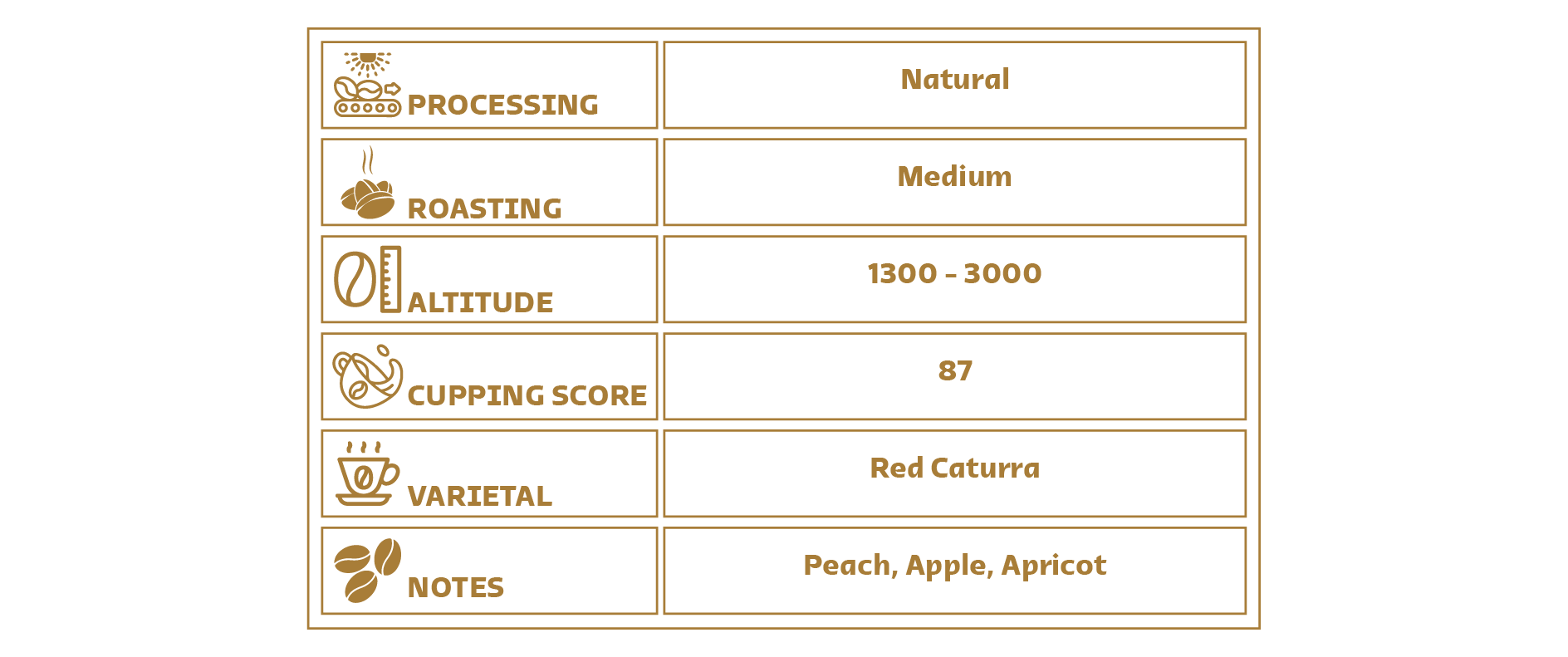
Most of the coffee in Brazil are naturally processed and is the result of a network developed by FAF. Famous for its production of specialty coffee and sustainability practices. Fazenda is a region in the northern part of the state of Sao Paulo. The region’s farms lie on the other side of the mountains in Sul de Minas. Mogiana has a reputation for quality in the cup and thanks to the efforts of the region’s farmers, many of whom have earned UTZ and Rainforest Alliance certifications for their properties.
The FAF network was developed to help educate farmers in the local community; in areas such as agriculture, business & sustainability practices. Helping to improve overall coffee quality in the growing region
These coffees are clean and display typically nice Brazilian profiles such as buttery, cocoa, creamy, big body, mild acidity,
Brazil Coffee Facts Percentage of World Market 35.2%
Harvest May-September
Process: Natural
World Ranking as producer 1st
Main Type: Arabica , Bourbon ,
Roasted Coffee Burundi Kayanza
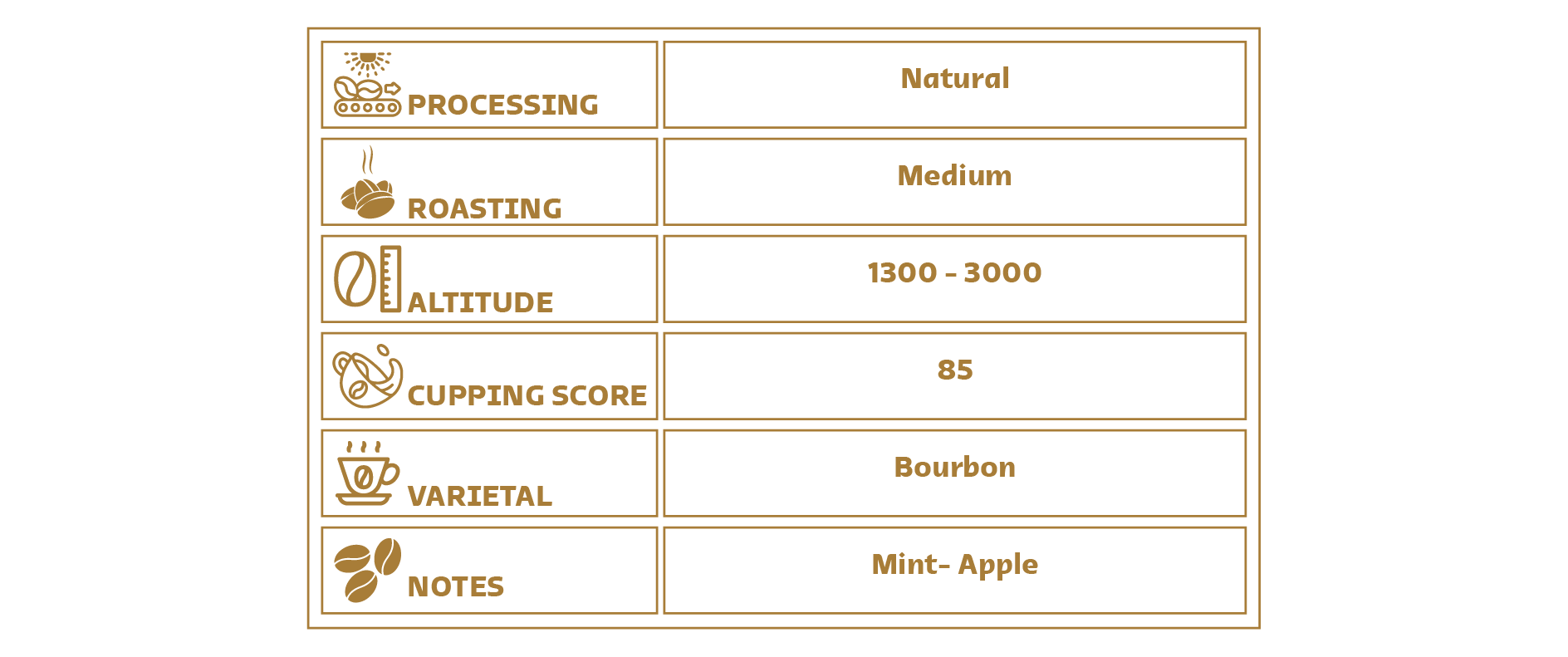
East Africa is well-known for producing high-quality coffee, and Burundi is no exception. You’ll find the small, mountainous country situated between Rwanda, Tanzania, and the Democratic Republic of Congo. Though the yield is small compared to other African countries, Burundi coffee farmers pay exceptional attention to detail. coffee cultivation in Burundi began in the 1930s when the Belgians brought the first arabica coffee plants to the region. Though some robusta varieties grow in the small country today, most of the plants there remain arabica. The Burundian coffee industry has had its fair share of struggles due to political instability, but thankfully, things are beginning to smooth out. Nowadays, a lot of families are involved in the farming of coffee there. These smallholders average around 250 trees each and, more often than not, produce other crops and livestock besides coffee beans, Burundian coffee tends to be sweet with bright acidity, big body, and citrus, blueberry, and “wild” notes.
Percentage of World Market 0.14%
Harvest February-June
Process: Washed
World Ranking as producer: 30th
Main Type: Arabica , Bourbon , Jackson, Mibirizi
Roasted Coffee Mexico Maragogipe
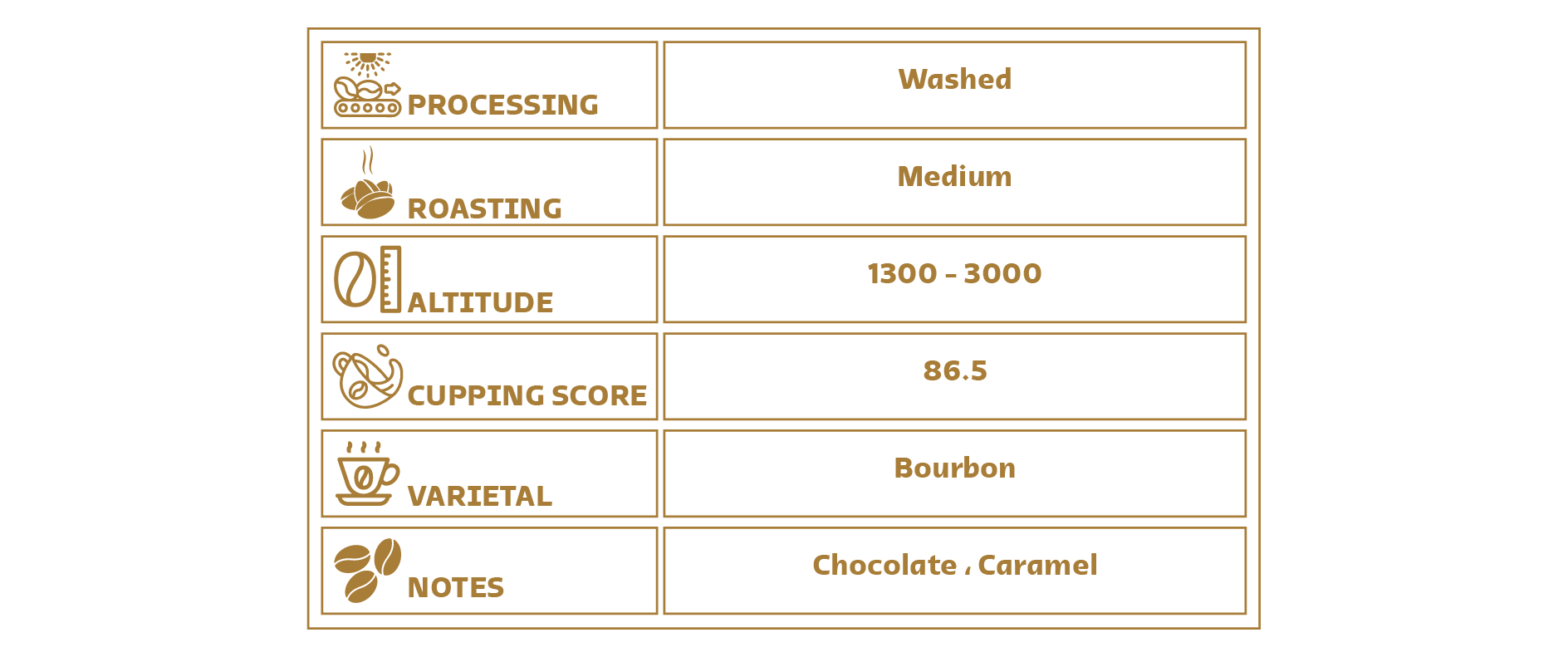
Coffee first found its way into Mexico in the late 1700s, when it was cultivated on farms owned by Europeans with predominantly indigenous Mexican laborers. A revolution in the early 20th century began the process of changing the status quo through agrarian land reform. Today’s Mexican farms look very different from the large plantations of yesteryear: the most recent agricultural census counted 515,000 producers, 85% of whom were indigenous Mexicans, and 95% cultivated fewer than three hectares. Mexican coffee is classified by altitude, and much of the country's coffee is used for blending and/or dark-roasted coffees. and most of the country's coffee now comes from the country's southern region where the continent becomes narrower and bends to the east. Mexican coffee is known for having a light body and acidity, often with a nutty flavor, perhaps with chocolaty overtones.
Mexican Coffee Key Facts: Percentage of World Market 2.4%
Harvest November- March
Process: Washed and Natural
World Ranking as producer: 10th
Main Type: Arabica, bourbon, Typica, Caturra, Mundo Novo
Roasted Coffee Ethiopia Guji Roasted Beans:
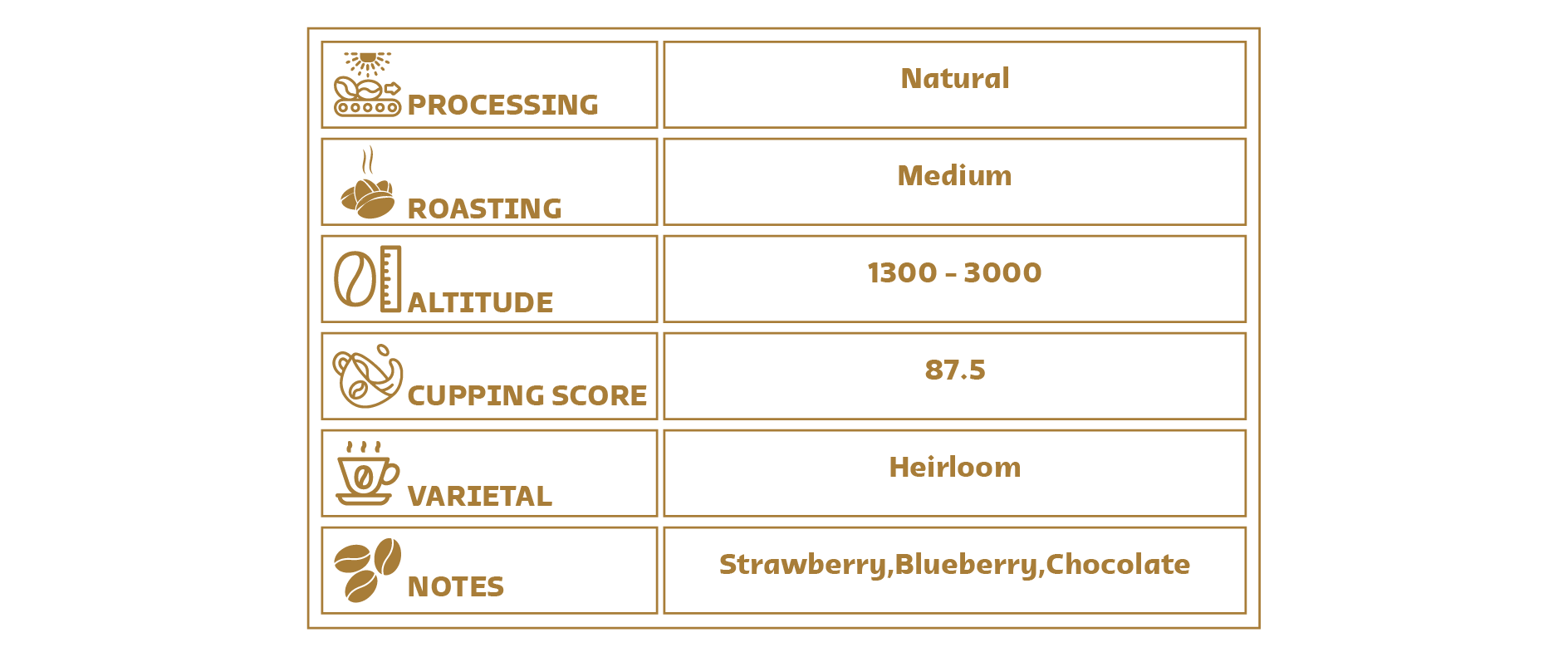
Guji coffee has been receiving a lot of attention from the specialty coffee world in the past several years, and for good reason. Many privately owned washing stations have sprung up recently, in an area that has traditionally processed coffee using a natural (dry) method. The quality of these washed coffees can be outstanding, which isn’t surprising considering the area’s close proximity to Yirgacheffe. While the washed profiles tend toward peach, honey, lemon, and rose
Ethiopia’s coffees Percentage of World Market 4.5%
Harvest Octobrer- December
Process: Washed and Natural
World Ranking as producer: 5th
Main Type: Arabica, Native Heirloom Varieties