


Limu is one of the zones in the Oromiya coffee-growing regions of southwest Ethiopia. Limu coffee grows at an elevation of 1500–1900, producing medium-sized beans with a characteristic round shape and a greenish color. It is generally washed, and it has a similar cupping profile to Sidama and Yirgacheffe coffee, having a citric acidity with soft berry undertones and chocolate-floral notes. The flavor is generally characterized by a balanced and clean cup. Coffee is regarded as premium gourmet coffee with its distinctive terroir and variety. Limu is noted for washed and dry-processed coffee of higher grades. It also carries a reputation for producing better coffee, probably because of better agronomic standards and good processing, well-established farms, and a good number of washing stations
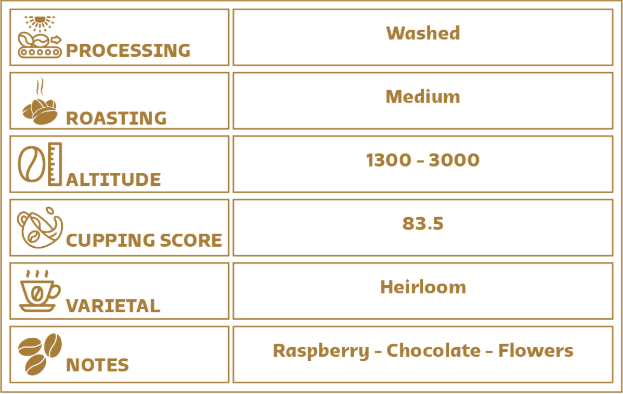
Ethiopia’s coffee percentage of the world market is 4.5%
Harvest Octobrer-December
Process: Washed and Natural
World Ranking as producer: 5th
- Main Type: Arabica, Native Heirloom Varieties
The coffees from Rwanda are often some of the softest, sweetest, and most floral of East African coffees, dialectically balanced and rapidly winning the hearts of coffee lovers worldwide
German missionaries were the first to introduce coffee trees to Rwanda in 1904. Beginning around 1930, coffee production in Rwanda increased, though it was mostly low-grade, high-volume green coffee beans as dictated by the government, creating one of the country's few significant cash crops.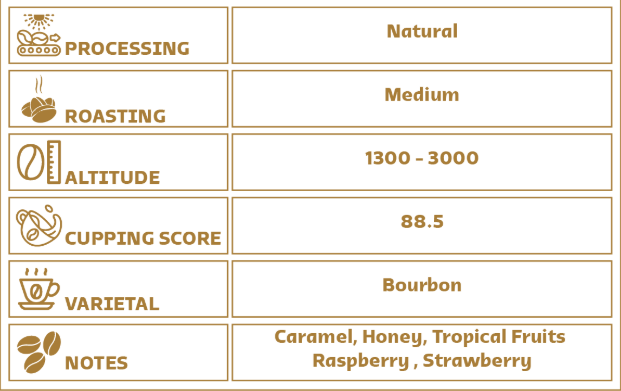
Percentage of World Market 0.16
Harvest: March-August
Process: Washed, some Natural
Main Types: Arabica Bourbon, Caturra, Catuai
Peruvian coffee was introduced into the country in the late 1700s. Most of the coffee grown in Peru is cultivated on small farms found high in the Andes Mountains that are less than two or three hectares in size and sit at about 1,000-1,800 meters above sea level. Most of the farmers are indigenous and speak Spanish as a second language. Their coffee is picked by hand and generally processed on the farm using small-scale wet mills. The growers almost always travel long distances on foot to sell their coffee to intermediaries in commercial centers, usually at a relatively low price. Between the local town and the exporter’s mill, the product may change hands several times and runs a risk of being mixed with other coffees, which adds to the farmer’s many challenges. The cup profile of a standard specialty Peru Gr. 1 MCM tends towards nutty, chocolatey flavors, usually with crisp acidity.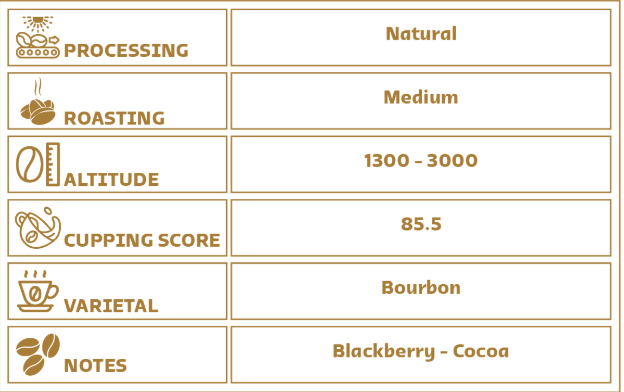
Percentage of world market: 2.4%
Harvest: May-September
Process: Washed
Main Type: Typica, bourbon, Caturra, Pache, Catimor
World Ranking As a Producer 9th
Originally, coffee was introduced to Zambia from both Kenya and Tanzania in the 1980s, which makes Zambia a recent coffee-growing country. Coffee beans were mainly grown in the Mountains of Muchinga of the Northern Districts as well as around the city of Lusaka. The Arabica coffee grown in Zambia is known for its high quality because its cherries are picked one by one so that any defective bean is not picked. With flavors from fruit punch to floral, chocolate to caramel, and both sweetness and acidity. Zambian coffee is notable East African in expression, thanks to the seeds brought in from Kenya and Tanzania.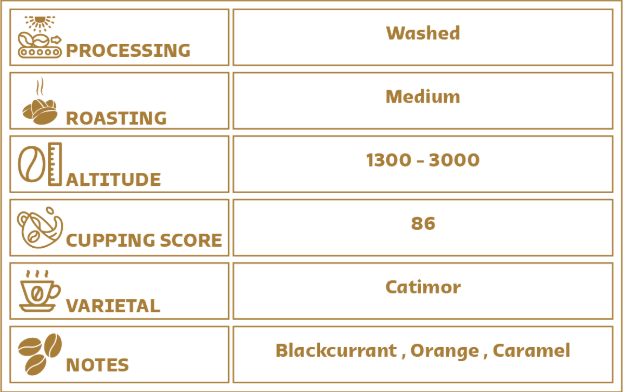
Zambia coffee: Percentage of World Market less than then0.01
Harvest: June-October
Process: Washed Natural honey
World Ranking as Producer: 52
Main Type: bourbon, Catimor, Castillo
A blend of carefully selected Arabica beans of high quality, ensuring flavor and taste per cup.
The perfect coffee to drink with or without milk. Cupping notes: Rich chocolate body with berries-like flavors and spice-like finish.
Preparation:
The coffee maker is one of the easiest ways to make coffee. All you need to do is fill the coffee maker with water and add the coffee grounds to the filter (medium grind). Turn on the button, and you have a very basic drip coffee.
Recommended for 1 liter of water, we use 60 grams of medium grind temperature between 90.5 and 96 degrees