
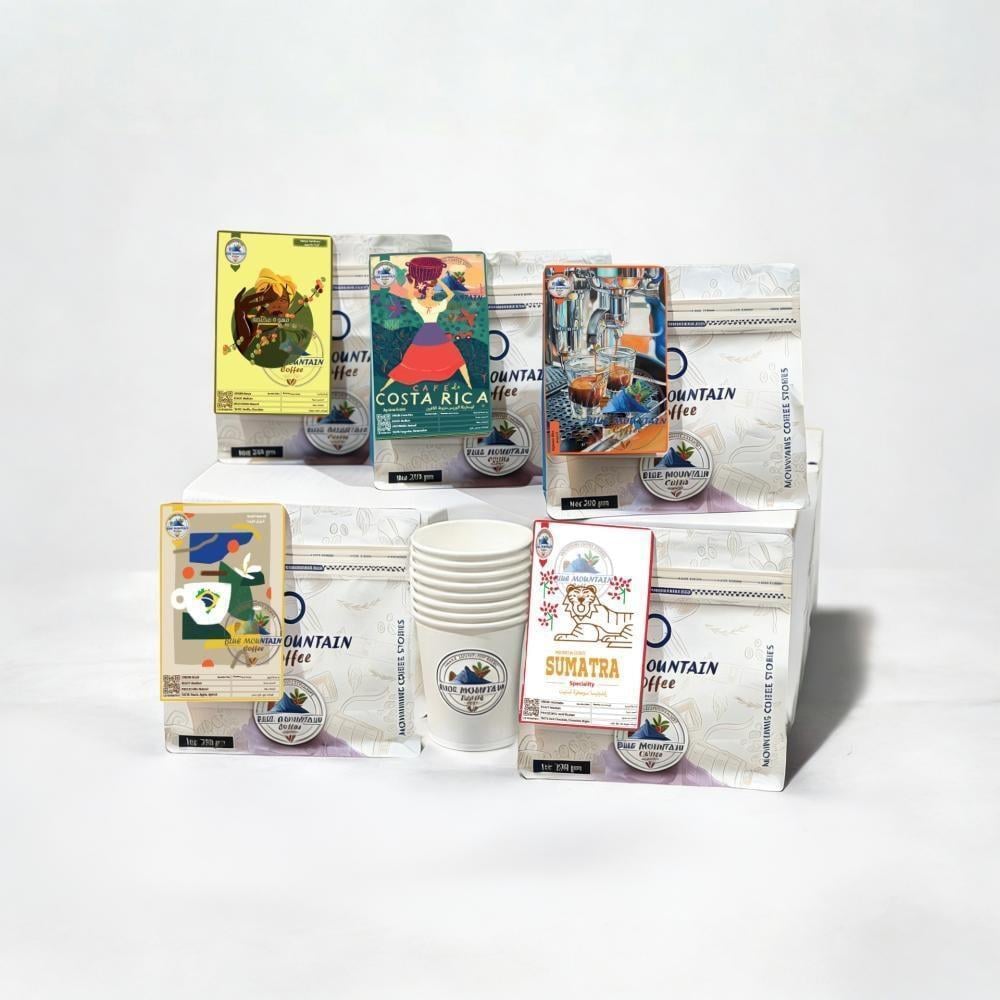
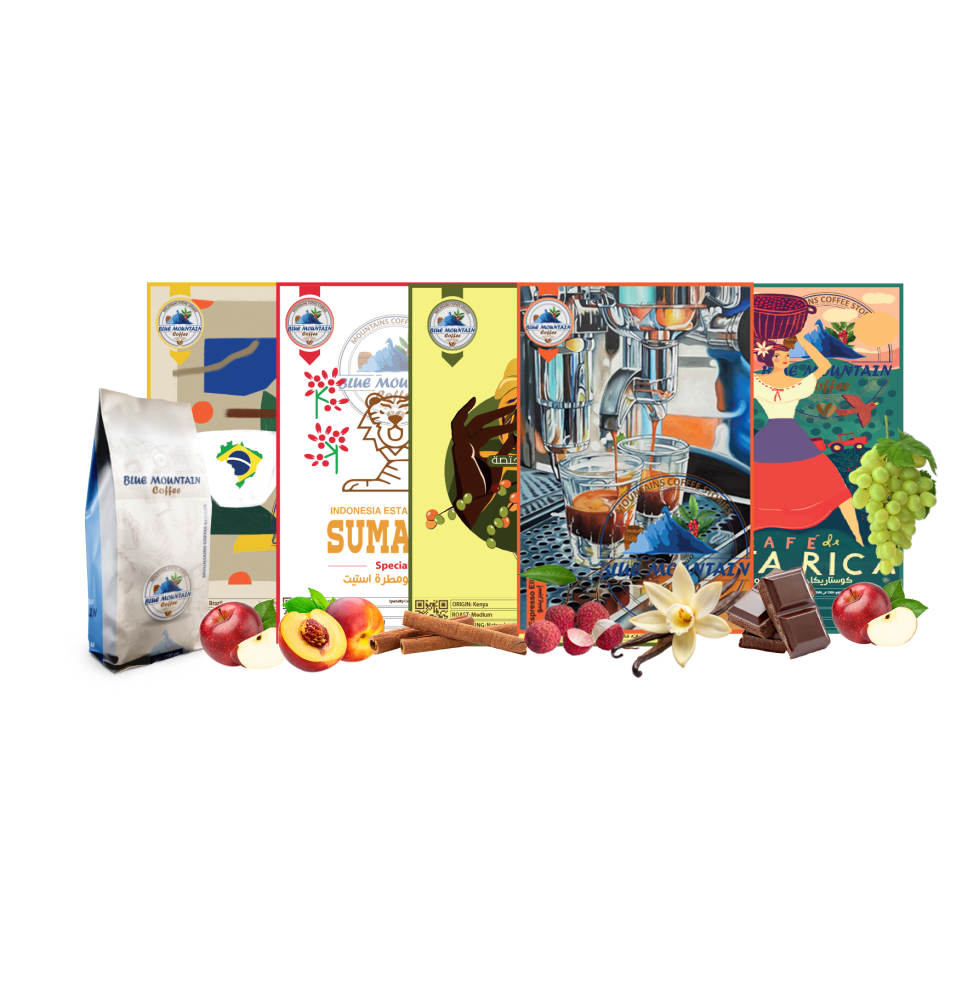
Most of the coffee in Brazil are naturally processed and is the result of a network developed by FAF. Famous for its production of specialty coffee and sustainability practices. Fazenda is a region in the northern part of the state of Sao Paulo. The region’s farms lie on the other side of the mountains in Sul de Minas. Mogiana has a reputation for quality in the cup and thanks to the efforts of the region’s farmers, many of whom have earned UTZ and Rainforest Alliance certifications for their properties.
The FAF network was developed to help educate farmers in the local community; in areas such as agriculture, business & sustainability practices. Helping to improve overall coffee quality in the growing region
These coffees are clean and display typically nice Brazilian profiles such as buttery, cocoa, creamy, big body, mild acidity,
Brazil Coffee Facts Percentage of World Market 35.2%
Harvest May-September
Process: Natural
World Ranking as producer 1st
Main Type: Arabica , Bourbon ,
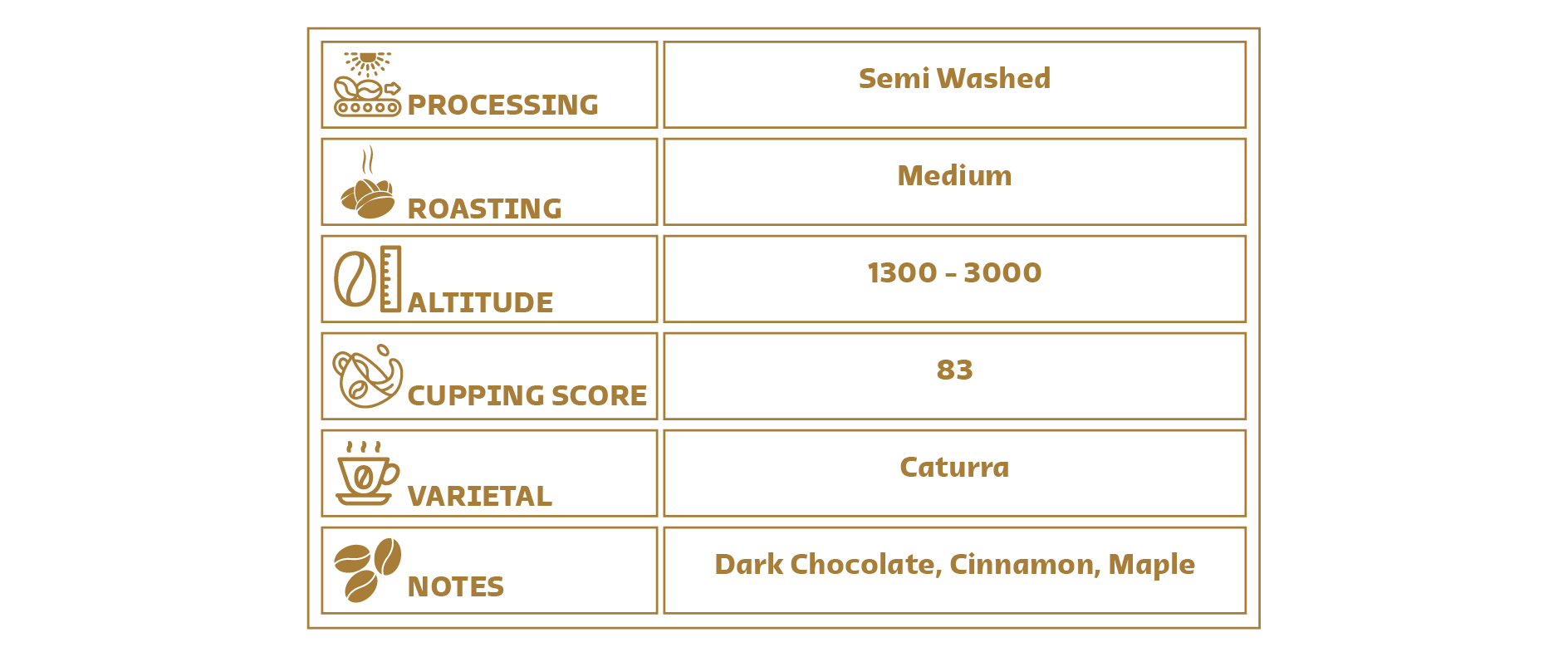
Sumatra is a part of Indonesia. It’s the 6th largest island in the world and home to more than 50 million people. Along with Borneo and Java, it is one of the three main islands comprising the country.
Coffee production on the island of Sumatra is thought to have begun around 1884, near Lake Toba, which is the largest volcanic lake in the world, The taste of the coffee from Sumatra is often described as earthy, creamy, chocolaty, The beans are typically low-acid (but this also has to do with the roast and processing)
Indonesia's Percentage of the world Market:7.2 %
Harvest: October- March
Process: Washed Gilling Basah
Main Type: Arabica typical,Caturra, Catimor
World Ranking As a producer 4th
The Mixing of the best Arabica Coffee is very carefully
selected All over the world and locally Roasted
With the latest technologies to deliver always freshly.
Preparation:
1. Grind the coffee: Use 9 grams for a single espresso shot and 18 grams for a double shot. Grind the coffee until it’s very finely ground.
2. Pack and tamp the coffee grounds: Add the coffee grounds to the espresso basket (portafilter) until it’s slightly heaping over the top. Use the tamper to press the grounds evenly into the portafilter, pressing very firmly until it is fully compressed. Place the portafilter on a folded towel before tamping, or the best tool is a knock box for tamping and discarding used grounds. It’s important for the coffee grounds to be as even and straight as possible to get the best espresso shot.
3. water temperature between 88-96 C, Pressure preferred 9 Bars, good espresso shot comes with 3 parts and pouring time between 20 to 25 seconds
Consider any adjustments: It takes a while to dial in the fineness of the coffee grind and the amount of coffee to use: practice makes perfect! If the shot is watery, use slightly more coffee grounds or a finer grind on the coffee. If a shot takes longer than 30 seconds, reduce the number of coffee grounds or use a coarser grind on the coffee.
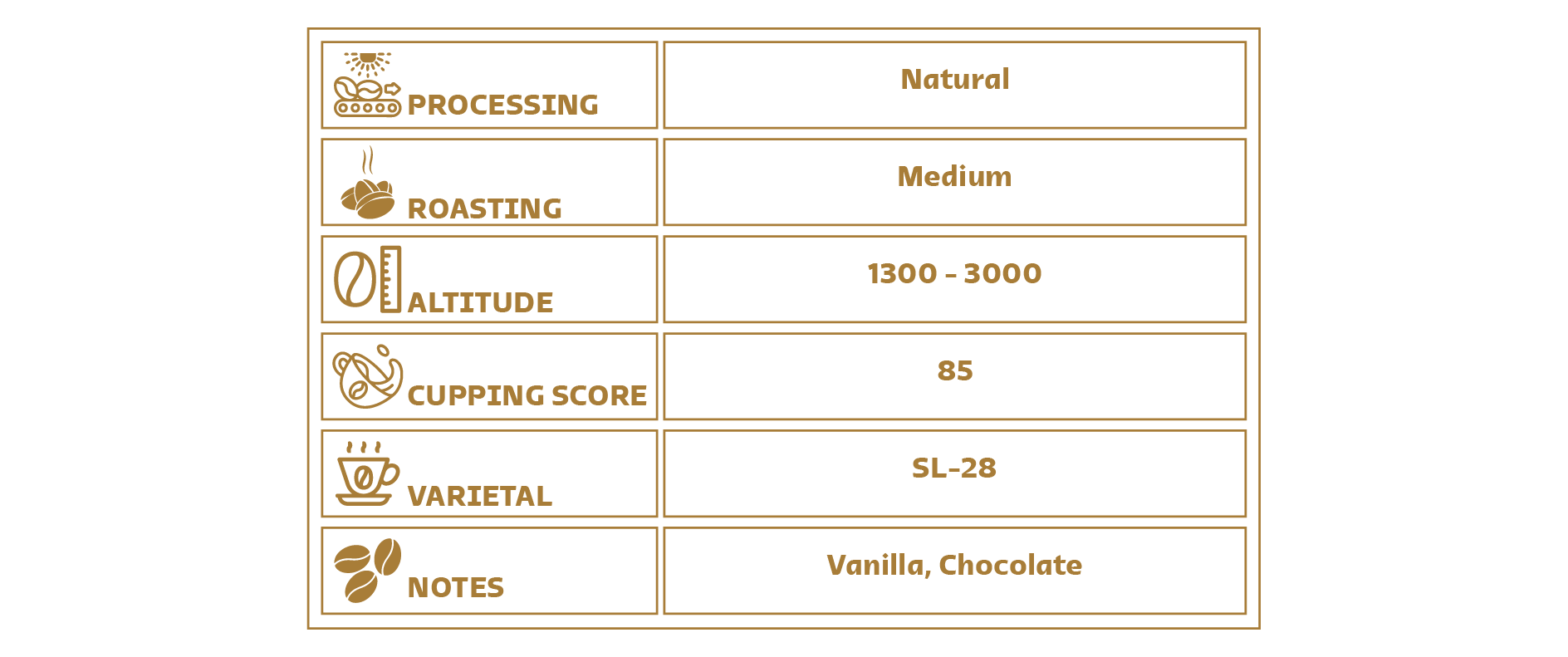
Grown at elevations higher, Kenya AA is considered to be one of the world's best coffee beans. The high growing altitudes mean that the beans grow slower than at low altitudes, providing more nutrients and allowing them more time to develop their flavors and mature. The fact that Kenya AA has consistently been one of the world's best-rated coffees means there's a demand for it and is a great way to introduce people to specialty coffee roasting. Whether buying for a commercial roasting operation or just your own home use, this is definitely one of the must-haves. The high plateaus of Kenya produce coffee beans with a full body and rich, strong, flavor with very pleasant acidity. The fragrant aroma also has floral tones, also has citrus and berry overtones.
Kenya Percentage of World Market 0.52%
Harvest: October – December/April-June
Process: Washed and Natural
Main types: SL 28, SL34, K7
World Ranking as producer 18th
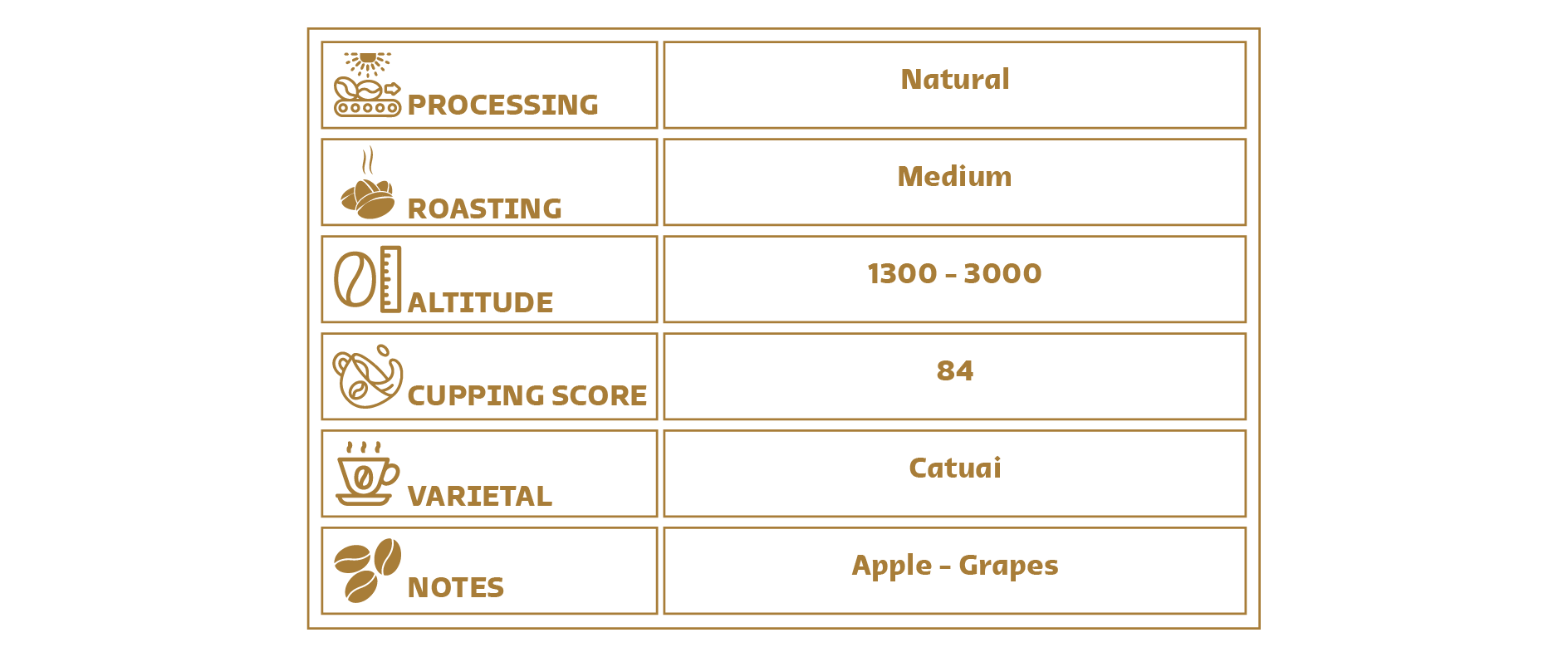
Costa Rica is the only country in the world where it is actually illegal to produce any type of coffee other than 100% Arabica—the highest quality of coffee beans. A law was passed in 1989 prohibiting the planting of low-quality beans, encouraging Costa Rican farmers to pursue true excellence. Arabica beans are a specific variety of beans that is more difficult to grow than other, hardier stocks. The result when the beans mature though is rich, full-bodied flavors leading to premium blends. In Costa Rica, we take growing coffee seriously and so we only want to offer you the best. That’s why we only grow Arabica. When we say Costa Rican beans are picked by hand here’s what we mean: our heritage as gourmet coffee makers has taught us that the secret to the best brews is not to rush the process. So when we pick our coffee beans, only the ripest beans are plucked and processed. ts defining tasting notes include a brown-sugary sweetness, citrusy notes, and apricot-like fruity flavors.
Costa Rican coffee Facts Percentage of World Market:0.93%
Harvest: Varies from region to region
Process: Washed and Natural honey
World Ranking as producer: 15th
Main Type: Arabica , Typica,Caturra,Catuai,Bourbon